
Yala National Park
Where leopards rule the wilderness, elephants roam freely, and every safari tells a different story.
Imagine entering a wilderness where a leopard could appear around the next bend, a massive elephant might emerge silently from the forest, and a sloth bear could suddenly cross a dusty track. Above you, eagles circle the sky, while crocodiles remain motionless beside ancient waterholes. This is not an African savannah. This is Yala National Park, Sri Lanka — one of the most extraordinary wildlife destinations in Asia. Located along the southeastern coast of Sri Lanka, Yala offers something increasingly rare in the modern world: the opportunity to witness magnificent wild animals living freely in their natural environment, surrounded by breathtaking scenery. For wildlife photographers, nature enthusiasts, safari adventurers, and travellers searching for unforgettable experiences, Yala deserves a place among the world’s great wildlife destinations.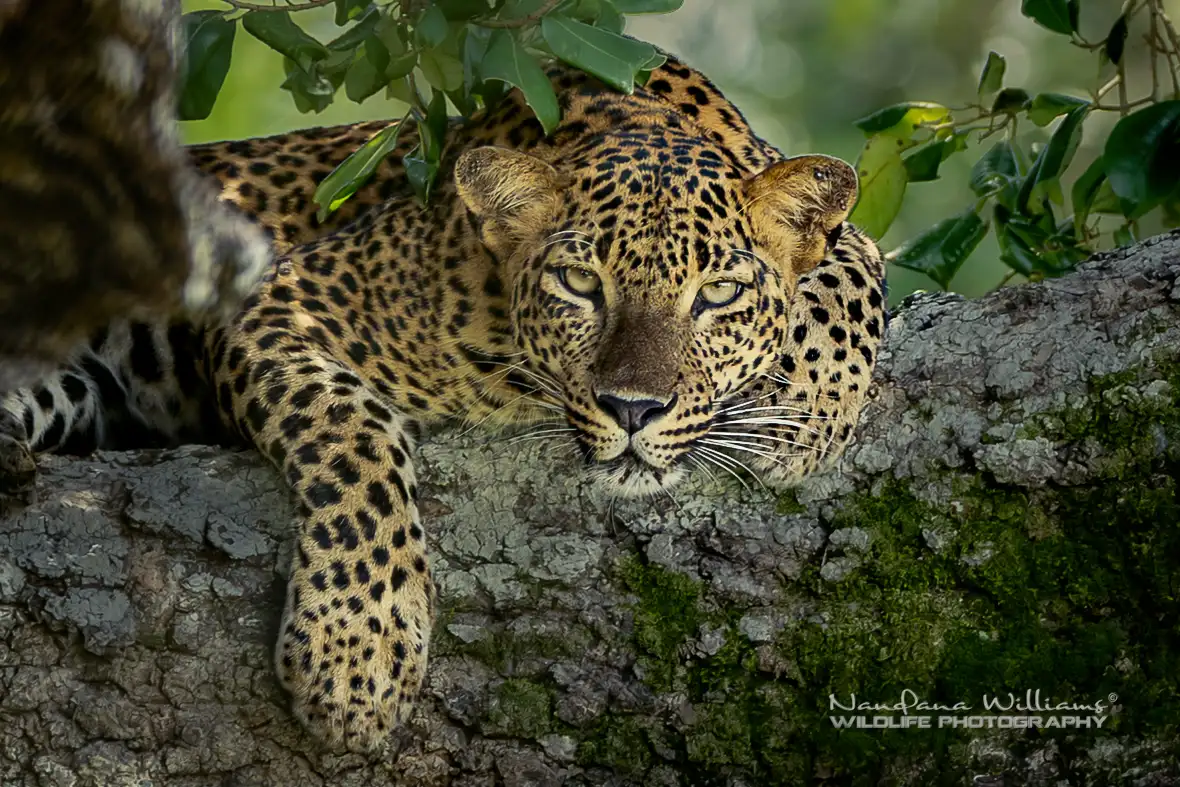
The Kingdom of Leopards
If there is one animal that has made Yala internationally famous, it is the Sri Lankan leopard (Panthera pardus kotiya). Yala is widely recognised for having one of the highest recorded leopard densities in the world, making it an exceptional destination for observing these magnificent predators. Unlike lions that live in prides, leopards are largely solitary animals. Each adult maintains its own territory, moves through the forest with extraordinary stealth, and survives through intelligence, strength, and adaptability. At Yala, leopards can sometimes be observed resting on enormous granite boulders, crossing forest roads, patrolling territorial boundaries, climbing trees, or stalking prey through dense vegetation. What makes these encounters especially fascinating is the opportunity to witness individual lives unfolding over many years. Some of Yala’s leopards have become familiar to photographers and dedicated wildlife observers through their distinctive markings, territories, and life histories. Among them is Lucas (YM16), a well-known male leopard whose presence has attracted considerable attention among Yala’s wildlife photography community. Other individually documented leopards, including Nilame (YM61), reveal the challenges of territorial competition and survival in a changing wilderness. Every leopard has its own story, and every encounter offers a glimpse into that story. For wildlife lovers, this transforms Yala from a simple safari destination into a living natural history documentary.
An Elephant Encounter You Will Never Forget
Imagine a huge elephant emerging from the jungle, its powerful footsteps breaking the silence. It pauses, raises its trunk to investigate the air, and then moves past your safari vehicle. Few wildlife experiences compare with observing a wild Asian elephant from a respectful distance. Yala provides opportunities to observe herds of elephants travelling between waterholes, mothers protecting their calves, solitary bulls exploring their territories, and elephants feeding in open grasslands. Some individuals become especially familiar to returning visitors through their distinctive appearance and behaviour. Yet elephants are powerful, unpredictable wild animals. Their behaviour reminds us that Yala is not a zoo or an amusement park. It is their home, and visitors must respect their space.
The Mysterious Sloth Bear
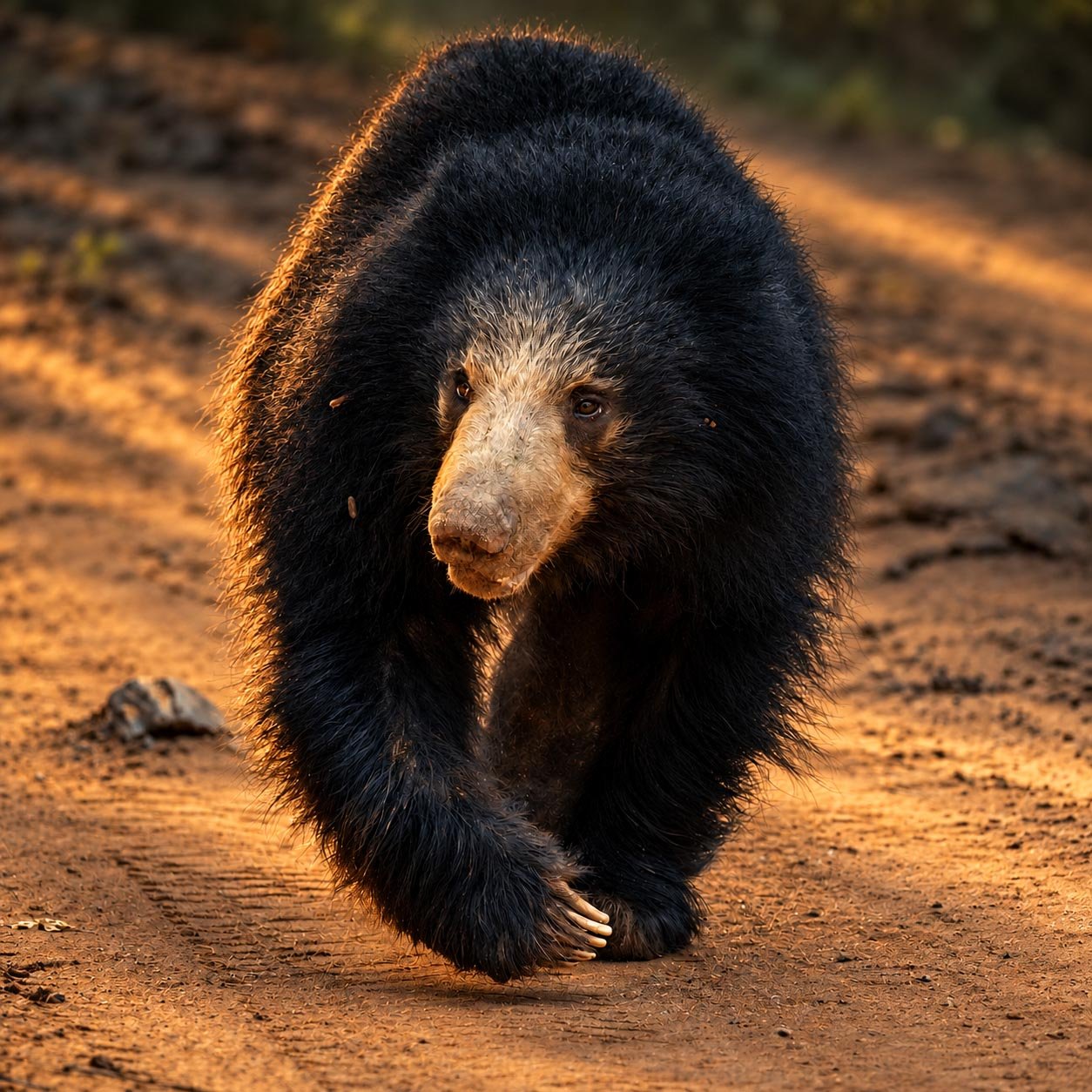
Among Yala’s most rewarding wildlife encounters is the elusive Sri Lankan sloth bear. With its shaggy black coat, long claws, and distinctive pale chest marking, the sloth bear is one of the island’s most fascinating mammals. Although leopards receive much of the attention, many experienced wildlife photographers consider a good sloth bear sighting equally memorable. These animals spend much of their time searching for termites, insects, and seasonal fruits. During the palu fruiting season, typically around May to July, opportunities to observe them can improve. A sloth bear emerging from a forest track or searching beneath a fruiting tree can turn an ordinary safari into an extraordinary experience.
A Paradise for Birdwatchers
Yala is far more than a destination for large mammals. Its forests, lagoons, reservoirs, and coastal wetlands support an impressive diversity of birdlife. Approximately 215 bird species have been recorded in Yala, including several species endemic to Sri Lanka. Visitors may encounter painted storks wading through shallow water, crested serpent eagles watching from branches, magnificent peafowl displaying their colourful feathers, kingfishers diving for fish, and Sri Lanka junglefowl moving through the forest floor. For bird photographers, Yala provides remarkable opportunities to capture everything from delicate songbirds to powerful birds of prey. The park’s natural surroundings make these experiences even more memorable. Reflections on peaceful waterholes, dramatic monsoon skies, and morning sunlight filtering through the trees create exceptional photographic conditions.
A Wilderness Where Every Moment Is Unpredictable
The real excitement of Yala is not simply the number of animals that live there. It is the unpredictability of nature. A peaceful herd of spotted deer may suddenly become alert. A troop of monkeys may begin making alarm calls. Somewhere within the forest, an unseen leopard could be moving through the vegetation. A jackal might approach the remains of a predator’s meal, a crocodile may wait beneath the surface of a lagoon, or a peacock could display its feathers just as the early morning sunlight reaches the forest floor. These moments cannot be scheduled or guaranteed, and that is precisely what makes them extraordinary. Every safari is different. Sometimes the greatest reward is not a dramatic predator encounter but a rare moment of natural behaviour witnessed without interruption. In Yala, even a quiet morning can become an unforgettable wildlife experience.
Where the Jungle Meets the Indian Ocean
One of Yala’s most distinctive characteristics is its extraordinary combination of landscapes. Within this protected wilderness, visitors encounter dry-zone forests, open grasslands, enormous rock formations, freshwater lakes, coastal lagoons, and stretches of rugged Indian Ocean shoreline. Yala is not simply a forest. It is a network of ecosystems that support different forms of wildlife. Its waterholes become important gathering places during dry periods, while seasonal rains transform the landscape into a lush green wilderness. The park also contains evidence of Sri Lanka’s ancient civilisation, including historical religious sites such as Sithulpahuwa. Few places combine wildlife, dramatic landscapes, coastline, and cultural heritage in quite the same way.
A World-Class Wildlife Photography Destination
For professional wildlife photographers and passionate amateurs alike, Yala is an extraordinary outdoor studio. The possibilities are endless: a leopard resting on a sunlit boulder, a young elephant following its mother, a sloth bear searching for food, or a kingfisher suspended above the water moments before a dive. The quality of light changes continuously throughout the day. Early mornings offer soft golden tones, while the late afternoon can transform a simple animal portrait into a dramatic wildlife photograph. The combination of extraordinary wildlife and diverse natural backgrounds makes Yala one of Asia’s most rewarding wildlife photography destinations. However, truly meaningful wildlife photography is not just about capturing beautiful images. It is about understanding animal behaviour, anticipating movements, recognising individuals, and respecting their natural environment. The finest wildlife photograph is one captured without disturbing the animal or changing its behaviour.
When Is the Best Time to Experience Yala?
Yala offers different experiences throughout the year. From approximately February to July, drier conditions often increase opportunities to observe animals near remaining water sources. The palu fruiting season may also bring rewarding sloth bear encounters. During and after seasonal rainfall, the park becomes greener, waterholes fill, and birdlife can be especially fascinating. Early morning and late afternoon safaris frequently offer beautiful lighting and opportunities to observe active wildlife. However, animal sightings remain unpredictable, and visitors should check current park access arrangements and seasonal closures before travelling.
The Responsibility of Every Wildlife Lover
Yala’s international reputation brings opportunities for conservation awareness and nature-based tourism, but increasing visitor numbers also create challenges. Safari congestion, excessive vehicle speeds, noise, and irresponsible photography can disturb animals and damage the natural experience. A leopard should never be surrounded by vehicles. An elephant should never be provoked for a photograph. Wild animals should never be chased, fed, or forced to change their behaviour for human entertainment. Responsible visitors choose experienced guides, remain on permitted routes, maintain appropriate distances, and follow wildlife department regulations. The long-term future of Yala depends not only on conservation authorities but also on the behaviour of everyone who enters the park. We are visitors in their world, and their safety must always come before our photographs.
Why Yala Should Be on Every Wildlife Lover’s Bucket List
There are wildlife destinations where travellers hope to see a particular species, and there are others where they go to admire beautiful landscapes. Yala offers both, and much more. It is a place where an encounter with one of the world’s most elusive big cats is a genuine possibility, where elephants still wander through their natural habitats, and where rare sloth bears, magnificent birds, crocodiles, and countless smaller creatures contribute to a complex and fascinating ecosystem. It is also a place where patience is rewarded, silence becomes meaningful, and even the smallest movement in the forest can create unforgettable excitement. You may arrive hoping to photograph a leopard and leave remembering an elephant calf, a bird in flight, or a golden sunrise over an ancient waterhole. That is the magic of Yala, and it is why wildlife lovers return again and again.
Yala National Park — Experience the Wild Side of Sri Lanka
Some places impress you with their beauty, while others astonish you with their wildlife. Yala has the power to do both. For travellers who dream of experiencing nature beyond the ordinary, this remarkable corner of Sri Lanka offers an invitation to discover the wilderness as it truly exists — beautiful, unpredictable, powerful, and free. Yala is not simply a destination to visit. It is a wilderness to experience, a story to witness, and a natural treasure to protect. Among the world’s great wildlife destinations, Yala holds a special place because it offers something that cannot be manufactured or guaranteed: the thrill of discovering nature on its own terms.
Discover Yala. Respect the wild. Take home memories, not disturbances.
By Nandana Williams
Wildlife Photographer | Nandana Wildlife Photography
www.nandanawildlife.com
#YalaNationalPark #SriLankaWildlife #WildlifePhotography #LeopardSafari #VisitSriLanka #WildlifeConservation #WildlifeLovers #SafariAdventure #SriLankanLeopard #NandanaWildlife