Yala National Park
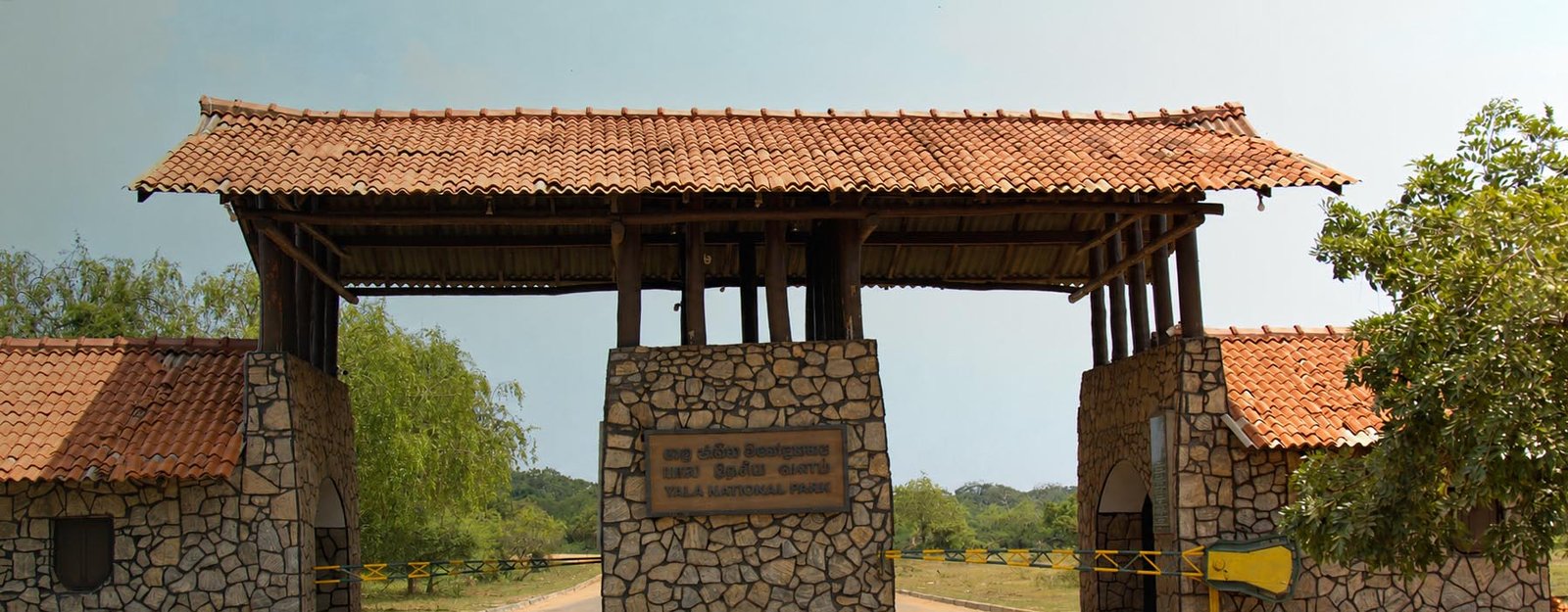
Yala National Park One of the Best Wildlife Safari Parks in the World
Yala National Park is one of Sri Lanka’s most famous wildlife destinations and one of the best places in the world to see leopards in the wild. Located in the southeast of Sri Lanka, Yala is a land of dry forests, open grasslands, rocky outcrops, lagoons, tanks, beaches, and ancient history.
For many wildlife lovers, Yala is not just another national park. It is the heart of Sri Lankan wildlife photography. The park is world-famous for its Sri Lankan leopard population, and Yala Block 1 is known as one of the areas with the highest leopard densities recorded in the world. A study recorded an estimated total leopard density of 21.7 individuals per 100 km² in Yala Block 1 (ResearchGate).
The Leopard Kingdom of Sri Lanka
The Sri Lankan leopard, Panthera pardus kotiya, is found only in Sri Lanka. In Yala, the leopard is the top predator. With no tigers, lions, or hyenas on the island, the Sri Lankan leopard holds a powerful position in the ecosystem.
Yala has produced some of the most famous wild leopards in Sri Lanka. Legendary males such as Lucas have become icons among wildlife photographers, safari guides, and nature lovers. Many believe Yala is home to some of the most photographed leopards in the world, making the park a dream destination for anyone hoping to witness leopard behavior in the wild.
Yala is also connected to the wider story of Sri Lanka’s rare melanistic, or black, leopards. Black leopards are extremely rare in Sri Lanka, and confirmed records have made global wildlife lovers pay more attention to the island’s leopard conservation value (Sri Lankan leopard).
More Than Leopards
Although Yala is best known for leopards, the park offers much more. Visitors may see Sri Lankan elephants, sloth bears, spotted deer, sambar deer, wild boar, water buffalo, jackals, crocodiles, peacocks, eagles, bee-eaters, hornbills, and many other species.
During the palu fruit season, sloth bear sightings become one of the highlights of Yala. Elephants can be seen moving across open plains, drinking from tanks, or walking quietly through the forest. Birdlife is also rich, especially around wetlands, lagoons, and coastal areas.
A Landscape Full of Wildlife and History
Yala is not only a wildlife park. It is also a historic landscape connected to the ancient Ruhuna Kingdom. Places such as Sithulpawwa, Magul Maha Viharaya, Akasa Chaitya, Yala wela, and ancient tanks remind visitors that this forest was once part of an old civilization.
When you enter Yala, you are not only driving through a safari track. You are travelling through a living museum of wildlife, culture, and history.
Best Time to Visit Yala National Park
Yala can be visited throughout most of the year, but the best wildlife sightings usually happen during early morning and late afternoon safari drives. The dry season often gives better visibility because animals come closer to water sources. However, every season has its own beauty.
For photographers, morning light in Yala is special. Golden light, dust, mist, rocky landscapes, and animal movement create unforgettable wildlife photography moments.
Responsible Safari in Yala
Yala’s popularity also brings responsibility. Visitors should always respect wildlife and follow park rules. Do not block animals, do not chase leopards, do not shout, and never get down from the vehicle inside the park. A good safari is not only about seeing animals. It is about giving them space to live naturally.
Yala National Park is one of Sri Lanka’s greatest natural treasures. Its leopards, elephants, sloth bears, birds, ancient ruins, and wild landscapes make it one of the best wildlife parks in the world. For anyone who loves nature, wildlife photography, or Sri Lankan wilderness, Yala is a place that should be experienced with respect, patience, and wonder.